
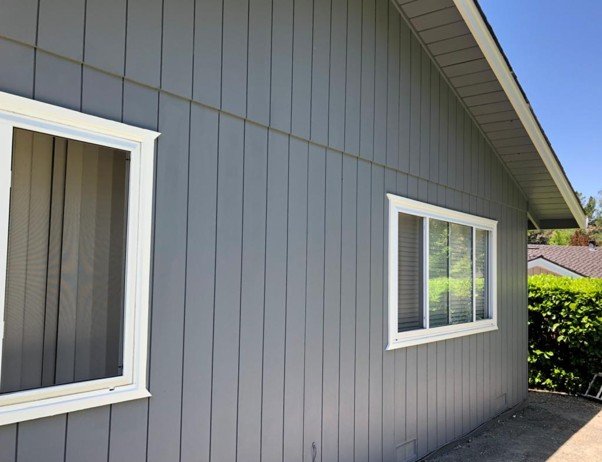
A home’s exterior has to deal with far more than everyday wear. Sun exposure, temperature swings, wind, moisture, dirt, and seasonal changes can slowly break down a paint job. While a DIY project may seem like an easy way to save money, the final result depends heavily on surface preparation, product selection, application, and timing. That is why exterior house painting Westminster CO, homeowners often turn to professionals when they want a finish that looks good and holds up over time.
Why Does Professional Exterior Painting Usually Hold Up Better?
The biggest difference is not always the paint itself. It is what happens before the first brush or roller touches the wall.
Professional painters inspect the exterior for peeling coatings, cracked caulk, damaged wood, mildew, bare areas, and other conditions that could interfere with adhesion. They can address those problems before covering the surface.
That matters because paint is only as reliable as the surface beneath it. Applying a new coat over loose or failing paint may make the home look better temporarily, but the new coating can eventually separate along with the old one.
Surface Preparation Sets The Foundation
Preparation is one of the most important parts of a long-lasting exterior painting project, yet it is also one of the easiest steps for homeowners to underestimate.
Depending on the condition of the property, preparation may include washing away dirt, removing loose paint, sanding rough edges, replacing damaged caulk, repairing minor surface defects, and priming exposed areas.
The goal is not simply to make the exterior look clean. The goal is to create a stable surface that allows the new coating to bond properly.
For example, painting directly over chalky siding can lead to adhesion problems. Leaving gaps around windows can allow moisture to reach vulnerable areas. Skipping primer on certain bare surfaces can also produce uneven coverage and premature failure.
How Does Colorado Weather Affect Exterior Paint?
Westminster homes experience changing outdoor conditions throughout the year, and those conditions can put stress on exterior coatings.
Strong sunlight can gradually fade certain colors. Moisture can create problems when it gets behind poorly sealed areas. Repeated expansion and contraction from temperature changes can contribute to cracking or separation.
Professionals consider factors such as surface temperature, humidity, precipitation, and drying time when planning the work. Instead of forcing the project into one convenient weekend, they can adjust the schedule when conditions are not suitable for proper application.
Choosing The Right Coating Makes A Difference
Exterior surfaces do not all behave the same way.
Wood siding, trim, stucco, and previously painted surfaces can have different preparation and coating requirements. The paint selected should also make sense for the location, surface condition, color, and expected exposure.
A professional can determine whether a particular area needs primer, a specific type of exterior coating, or additional preparation before painting.
This approach is more useful than choosing a product simply because it has a higher price tag. The objective is to match the coating to the surface and the conditions it will face.
Skilled Application Creates A Consistent Finish
Application technique affects both appearance and performance.
Professional painters understand how to maintain consistent coverage across large surfaces, manage edges and trim, avoid excessive buildup, and work through the project without creating obvious differences between sections.
This becomes particularly important when a house has multiple exterior materials or detailed architectural features.
A homeowner working after office hours may paint one section one weekend and another section several days later. Changing temperatures, lighting, and application methods can make those areas look different.
A coordinated professional crew can maintain a more consistent process across the property.
Professional Painting Can Reduce Rework
The cost of an exterior painting project is not limited to the cans of paint.
DIY homeowners may also need to purchase rollers, brushes, scrapers, sanding supplies, caulk, ladders, protective equipment, cleaning materials, and other tools. Larger homes can require even more equipment and preparation time.
Then there is the cost of correcting mistakes.
If paint begins peeling because the surface was not prepared correctly, repainting the affected area means paying for materials and labor all over again. Hiring professionals costs more at the beginning, but thorough preparation and proper application can reduce the likelihood of premature rework.
When Does DIY Exterior Painting Make Sense?
DIY painting is not automatically a bad choice.
Small, accessible projects can be reasonable for homeowners who have the time, tools, and confidence to complete the work properly. A fence, shed, detached structure, or limited section of siding may not require the same level of planning as an entire house.
The situation changes when the project involves multiple stories, extensive peeling, detailed trim, damaged surfaces, or large areas that need preparation.
If you are considering exterior painters near me, do not judge contractors only by their estimates. Ask what preparation is included, whether surface repairs are handled, which products will be used, and how weather conditions affect the schedule.
Those details can reveal what you are actually paying for.
Exterior Paint Also Serves A Protective Purpose
Exterior paint is not only about curb appeal.
A properly prepared and coated surface creates a barrier between the underlying material and outdoor exposure. This is especially important for wood, where unprotected areas can become vulnerable to moisture and weather-related deterioration.
Certain exterior wood features may require a stain rather than conventional paint. Professional wood staining can be appropriate for decks, fences, and other wood surfaces where preserving the material’s appearance and adding a protective finish are priorities.
The right treatment depends on the condition and type of wood rather than a one-size-fits-all approach.
How Can Homeowners Help Extend The Life Of A Paint Job?
Professional workmanship does not eliminate the need for maintenance.
Homeowners should periodically look at areas that receive heavy exposure or tend to develop problems first. Pay attention to peeling near windows, cracked caulk, fading on highly exposed walls, mildew or dirt buildup, and damaged wood.
Small defects are easier to address than widespread coating failure.
Keeping exterior surfaces reasonably clean can also help prevent dirt and organic growth from becoming long-term problems. When a small area begins to deteriorate, addressing it early may prevent the damage from spreading underneath surrounding paint.
Interior And Exterior Projects Can Be Planned Together
Painting projects do not always stop at the front door.
A homeowner preparing a property for sale, completing renovations, or simply updating an older home may want to address both exterior and interior surfaces. Residential interior painters can refresh rooms while the exterior receives new coatings, helping create a more consistent overall update.
For homeowners who want to avoid coordinating several different contractors, a painting company that also provides residential interior painting, wood refinishing, staining, or related finishing services can simplify the process.
The key is still quality. Combining services is useful only when each part of the project receives the same attention to preparation and workmanship.
The Long-Term Value Comes From The Complete Process
A durable exterior paint job is rarely the result of one magic product.
It comes from a series of decisions made correctly: identifying surface problems, preparing the substrate, selecting appropriate materials, working in suitable conditions, applying the coating consistently, and maintaining the finished surface.
That is where professional painting can have an advantage over a rushed DIY project. Instead of treating exterior painting as a quick cosmetic update, professionals approach it as a complete surface-protection project.
Final Remarks
A DIY exterior painting project can work for the right homeowner and the right property. But painting an entire house involves much more than choosing a color and applying a few coats. Preparation, weather conditions, surface-specific products, application technique, and ongoing maintenance all influence how the finished coating performs.
For homeowners planning exterior house painting Westminster, CO, Precision Painting and Finishing can provide a more structured approach to the project. Our services include exterior and interior painting, staining, wood refinishing, drywall repair, and other finishing work. When the goal is a clean appearance that continues to perform after the initial shine wears off, investing in proper preparation and professional workmanship can make a meaningful difference.
Frequently Asked Questions
- How does professional exterior painting last longer than DIY work?
Professionals prepare surfaces, select suitable coatings, control application, and account for weather conditions that can shorten paint life.
- What preparation is needed before painting a home’s exterior?
Preparation may include cleaning, scraping loose paint, sanding rough areas, repairing damage, replacing caulk, and priming exposed surfaces.
- Can Colorado weather damage a new exterior paint job?
Yes. Strong sunlight, moisture, wind, and temperature changes can stress exterior coatings and contribute to fading, cracking, or peeling.
- Is professional exterior painting worth the higher upfront cost?
It can be worthwhile because proper preparation and application may reduce premature failures, repairs, and the need for repainting.
- Should damaged wood be repaired before exterior painting?
Yes. Rotten, soft, or severely damaged wood should be repaired or replaced before painting to create a stable surface.