
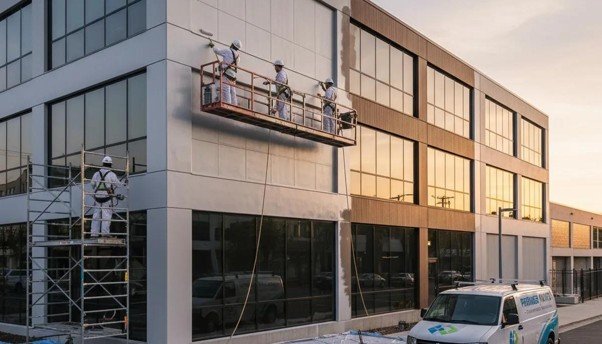
A fresh coat of paint can make a business look cleaner and more welcoming. But painting a commercial property takes more than choosing a color and hiring a crew. Business owners also need to plan around employees, customers, furniture, daily operations, and the condition of the walls.
Professional commercial painting in Broomfield involves several stages, from the first property inspection to surface preparation, painting, and final checks. Knowing what happens at each stage helps you prepare your building, set a realistic budget, and avoid unnecessary disruption during the project.
A Professional Assessment of Your Property
Before painting begins, professional painters assess the areas that need attention. An office near Interlocken may have scuffed hallways and worn meeting rooms, while a retail space near FlatIron Crossing may need fresh paint around entrances and customer areas.
During the inspection, painters check walls, ceilings, trim, and existing coatings. They look for peeling paint, damaged drywall, cracks, and uneven patches that could affect the finished result.
This assessment helps establish the project scope, materials, and expected timeline. It also gives property owners a chance to explain their priorities. For example, a business preparing for a new tenant may need certain rooms completed first, while a shop may want its entrance refreshed before a busy sales period.
Preparing the Building Before Work Begins
A little planning before the crew arrives can help keep the painting project organized and reduce disruption to daily activities.
● Move Furniture and Protect Equipment
Furniture, display units, and movable equipment may need to be moved away from walls. Computers, business records, and sensitive equipment should be protected or relocated. Discuss suitable covering for large items that cannot be moved.
● Inform Employees and Occupants
Share the painting schedule with employees, tenants, and building occupants in advance. Explain which rooms or hallways may be temporarily unavailable and identify alternative access routes if needed.
● Coordinate Access in Mixed-Use Properties
Mixed-use properties with apartments, offices, and retail stores require careful scheduling. Property managers must coordinate access to units, shared hallways, and business entrances.
For example, when painting mixed-use properties in Westminster, apartment complex painters Westminster CO can help organize access and work schedules for residential and shared areas.
Understanding the Surface Preparation Process
Once the work areas are ready, painters prepare the surfaces. This stage matters because new paint cannot hide every crack, dent, or rough patch.
Depending on the condition of the building, preparation may include cleaning walls, removing loose paint, sanding rough areas, repairing damaged drywall, and matching existing textures. Floors, fixtures, furniture, and equipment also need protection before painting begins.
For example, an office may have holes left by wall-mounted shelves, while a retail space may have marks where old signs were removed. These areas need attention before the new paint is applied.
Ask which repairs are included in the estimate. Identifying these needs early helps prevent confusion about additional work or changes to the schedule.
Choose Paint and Finishes for Your Business
The right finish depends on how each area is used. A private office may need a simple, professional appearance, while a busy hallway may require paint that handles regular cleaning.
Professionals can recommend suitable finishes based on the surface, expected wear, and maintenance needs. Color selection also matters. Lighting, flooring, furniture, and brand colors can all affect how paint looks once it covers a large area.
Make these decisions before the scheduled start date whenever possible. Confirm the colors, finishes, and areas included in the project so there is less chance of delays caused by last-minute changes.
Planning the Schedule Around Daily Operations
A clear schedule helps reduce disruption and keep painting projects on track, especially in multi-tenant building painting projects where several businesses or occupants share the same building.
● Choose a Suitable Time
An office may need painting after employees leave, while a retail store may need its entrance kept clear during business hours. Discuss operating hours, delivery schedules, access needs, and priority areas with the contractor before work begins.
● Consider Phased Painting
For larger properties, painting can be completed in stages. This allows some rooms or sections to remain open while work continues elsewhere.
● Allow Time for Drying
Paint needs time to dry between coats. The schedule should include enough time for surface preparation, repairs, painting, drying, and final inspections. Some areas may need to remain clear until they are ready for regular use.
Know What Happens During Painting and Final Inspection
After preparation, painters apply primer where needed, followed by the required coats of paint. They pay attention to edges, corners, trim, and areas around fixtures to help create an even finish.
Once the painting is complete, the crew checks for missed spots, uneven coverage, and visible marks. Protective coverings are removed, and the work area is cleaned.
A final walkthrough gives the property owner or manager a chance to review the finished spaces and discuss any touch-ups that may be needed before the project is signed off.
Review the Painting Estimate and Costs
Commercial painting costs depend on building size, surface condition, ceiling height, paint selection, access, and preparation needs. Extensive drywall repairs or detailed trim can add to the work involved.
Review the written estimate carefully. Confirm the surfaces being painted, repairs included, materials covered, and cleanup arrangements. Ask how changes to the project scope could affect the cost or timeline.
Get Your Commercial Painting Project Ready!
Planning ahead helps keep a painting project organized and reduces disruption to daily business. Precision Painting and Finishing provides commercial painting, drywall repair, texture matching, and related finishing services for properties in Broomfield and nearby communities.
For commercial painting in Broomfield or beyond, discuss your building’s condition, preferred finishes, access requirements, and schedule before work begins. Call (303) 619-8337 to request an estimate.
FAQs
- How long does a commercial painting project take?
The timeline depends on building size, surface condition, repairs, and paint drying time. Your contractor can provide a realistic schedule after inspecting the property.
- How can businesses reduce disruption during commercial painting?
Businesses can plan painting around operating hours, protect equipment, notify employees, and schedule work in phases to keep essential areas accessible.
- What preparation is needed before commercial painters arrive?
Move furniture where possible, protect equipment, identify areas requiring repairs, and inform employees or tenants about access restrictions and the planned schedule.
- What types of commercial properties can professional painters handle?
Commercial painters can work on offices, retail stores, restaurants, and other business properties. The project scope depends on the building’s needs and required services.
- What should a commercial painting estimate include?
A detailed estimate should identify the surfaces being painted, preparation and repair work, paint materials, project schedule, cleanup, and any potential additional charges.