
Drywall Repair Erie With Careful Patching And Accurate Texture Matching
A fresh coat of paint cannot hide every wall problem. A patched hole may still show through. A dent can create a shadow when sunlight hits it. Even a small texture difference can make one section of a wall look newer than the rest.
Drywall repair Erie services from Precision Painting and Finishing help correct these issues before the final paint goes on. The focus is on creating a properly prepared surface that blends with the surrounding wall instead of leaving an obvious repair behind.
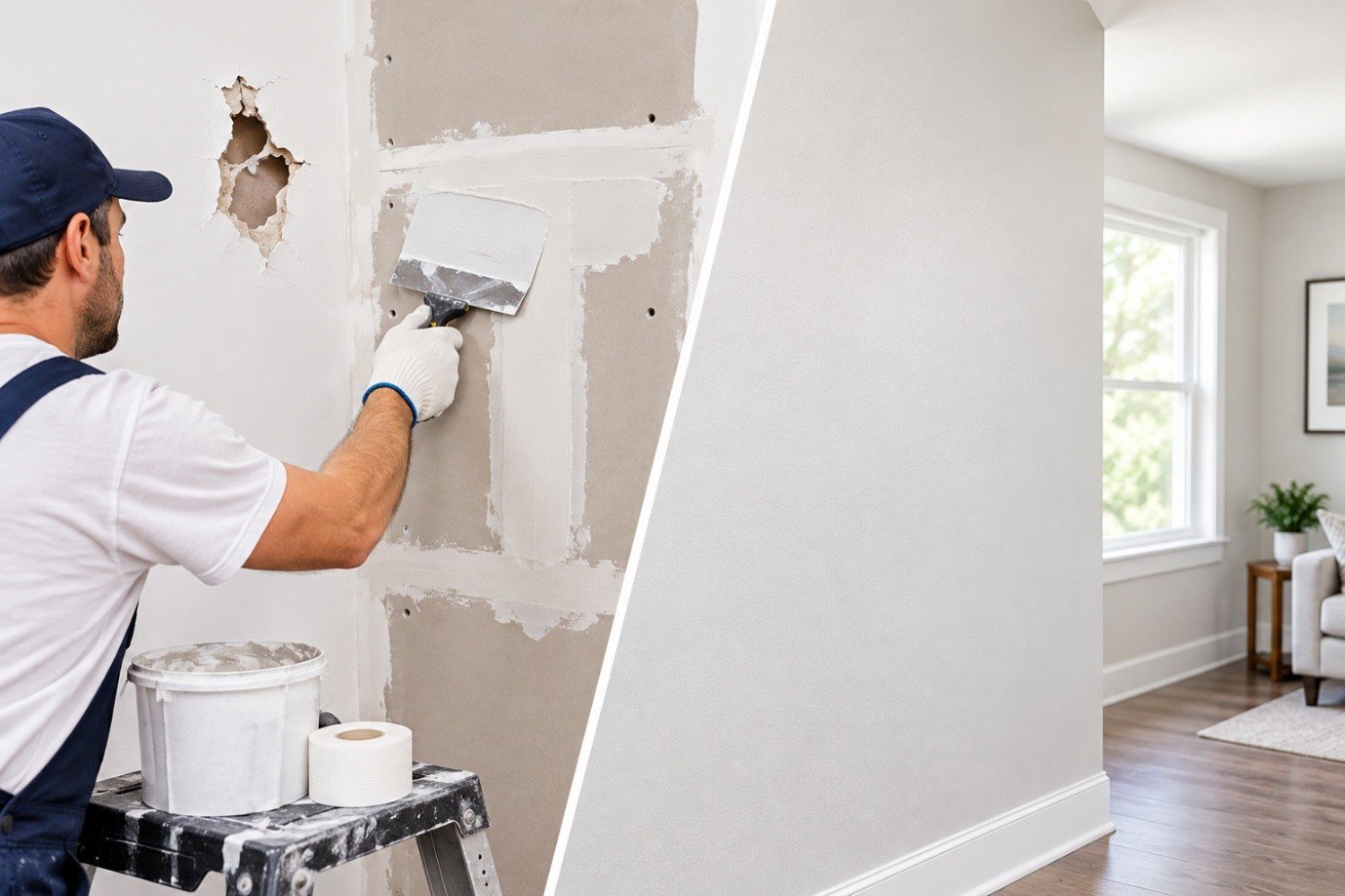
Common Drywall Problems Can Affect The Final Finish
Drywall damage can come from everyday use, remodeling, moving furniture, or removing fixtures. Some problems are obvious, while others only become noticeable after a room is repainted.
Common examples include:
- Holes from wall-mounted fixtures
- Dents caused by furniture or door hardware
- Cracks and damaged seams
- Scraped or punctured drywall
- Loose or deteriorated sections
- Raised areas from older patch jobs
An old repair can be particularly frustrating. The wall may technically be patched, but its edges can remain visible under new paint. Instead of covering that area again, the surface needs to be corrected before the next coating goes on.
How Does Careful Patching Improve The Finished Wall?
A good patch should not announce itself after the paint dries.
The right approach depends on the size, depth, and condition of the damaged area. Loose material may need to be removed before the opening is filled. Larger damage can require more extensive patching, followed by careful smoothing and sanding.
The surrounding wall matters, too. A repair that sits slightly higher, lower, or rougher than the rest of the surface can catch light differently. That difference may be easy to overlook before painting but much harder to ignore once the new color is applied.
Precision Painting and Finishing approaches the repair with the final appearance in mind, helping prepare the area for the coating that follows.
Texture Matching Keeps Repaired Areas From Looking Out Of Place
A smooth patch does not automatically disappear on a textured wall.
If the surrounding surface has a noticeable texture pattern, the repaired section needs to blend with it. Otherwise, the patch can remain visible because its surface reflects light differently or has a noticeably different pattern.
Texture matching becomes especially useful when repairing walls that already have an established finish throughout the room. Rather than leaving a smooth section in the middle of a textured wall, the repaired area can be prepared to better correspond with its surroundings.
That small detail can have a surprisingly large effect on the finished appearance.
Why Should Drywall Be Repaired Before Repainting?
Painting over dents, holes, or poorly blended patches only gives those imperfections a new color.
That is why drywall work should be handled before the final painting stage. Once the damaged area has been patched, smoothed, and prepared, the painter can focus on achieving an even finish instead of trying to disguise an uneven wall underneath it.
This can be useful when updating:
- Living rooms with old wall damage
- Bedrooms after removing fixtures or shelving
- Hallways marked by repeated bumps and scuffs
- Commercial interiors showing signs of daily use
- Rental properties being prepared for new occupants
For a larger project, handling the repair and painting together can also create a more consistent result from one stage to the next.
A Broader Painting Background Supports Detailed Wall Preparation
Do not judge a contractor only by how quickly they can fill a hole. Ask how they handle the surrounding surface, existing texture, preparation, and final paint.
That broader approach matters when drywall problems are part of a larger renovation or repainting project.
Precision Painting and Finishing has more than two decades of painting-industry experience, with lead painters bringing at least 15 years of experience. The company provides residential and commercial painting services in its Colorado service area, including Erie and surrounding communities.
Its services also cover interior and exterior painting, texture matching, cabinet repainting, staining, and wood refinishing. This allows drywall preparation to fit into the larger finishing plan instead of becoming an isolated repair.
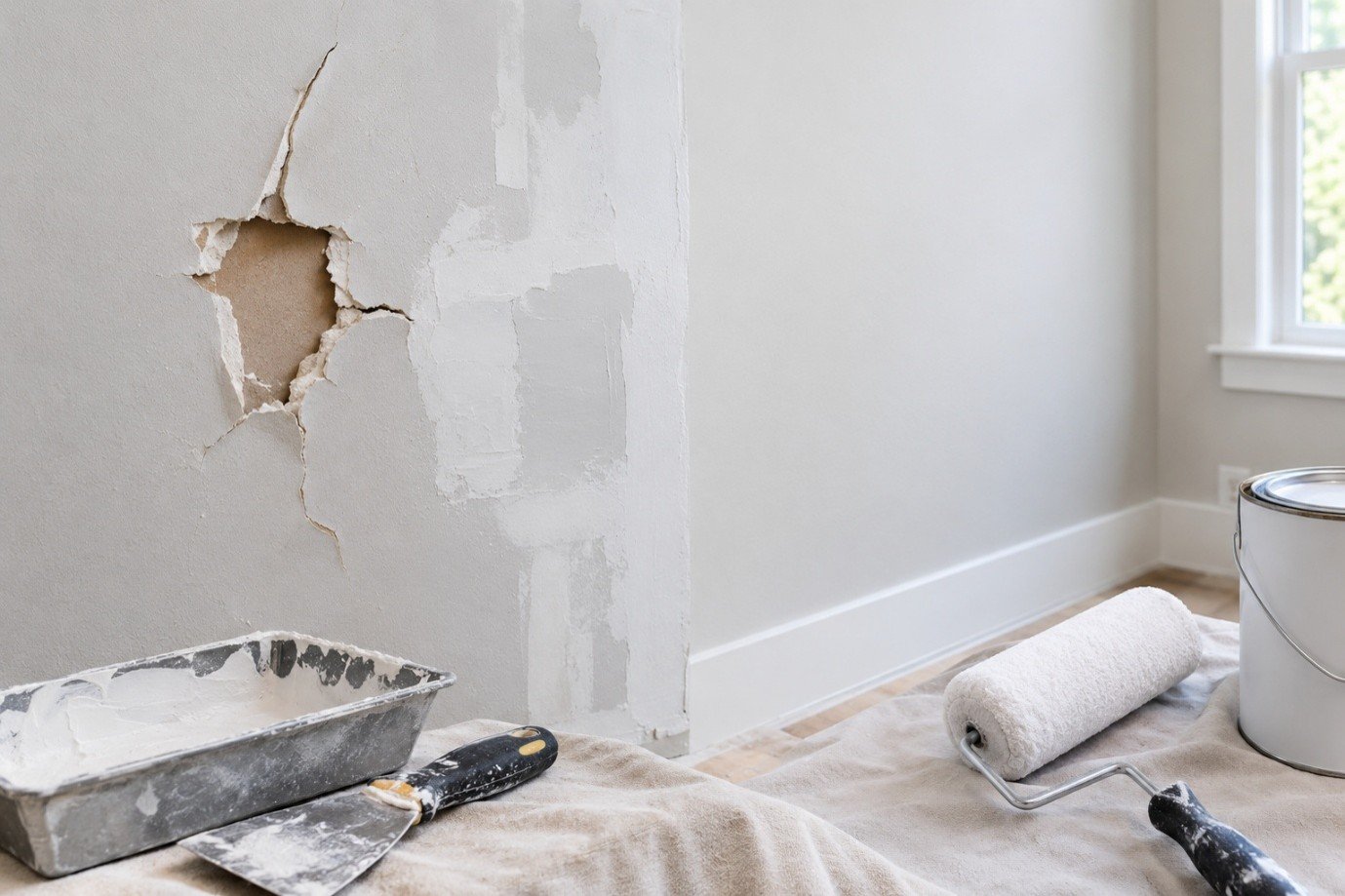
Give Damaged Drywall The Finish It Deserves
A wall should not still look patched after the work is finished. If dents, holes, cracks, or mismatched textures are distracting from an otherwise clean room, address the surface before adding another coat of paint.
Precision Painting and Finishing can evaluate the damaged area and determine what preparation, patching, and texture work may be needed before painting begins.
Contact the team to discuss your Erie drywall repair project and take the next step toward a cleaner, more consistent wall finish.
Frequently Asked Questions
What Types Of Drywall Damage Can You Repair?
We repair holes, dents, cracks, punctures, damaged seams, loose sections, and poorly finished patches before painting.
Can You Match The Existing Wall Texture?
Yes. Existing wall texture can be matched as closely as possible so the repaired section looks consistent with surrounding surfaces.
Should Drywall Repair Be Completed Before Painting?
Yes. Repairing and preparing damaged drywall first helps prevent dents, patches, and uneven areas from remaining visible beneath fresh paint.
Can Drywall Repair Be Part Of A Larger Painting Project?
Yes. Drywall preparation can be incorporated into residential or commercial painting projects to create a more consistent finished surface.
How Do I Know If A Wall Needs More Than A Simple Patch?
The damage should be evaluated based on its size, depth, condition, surrounding surface, and whether cracks continue beyond the affected area.