
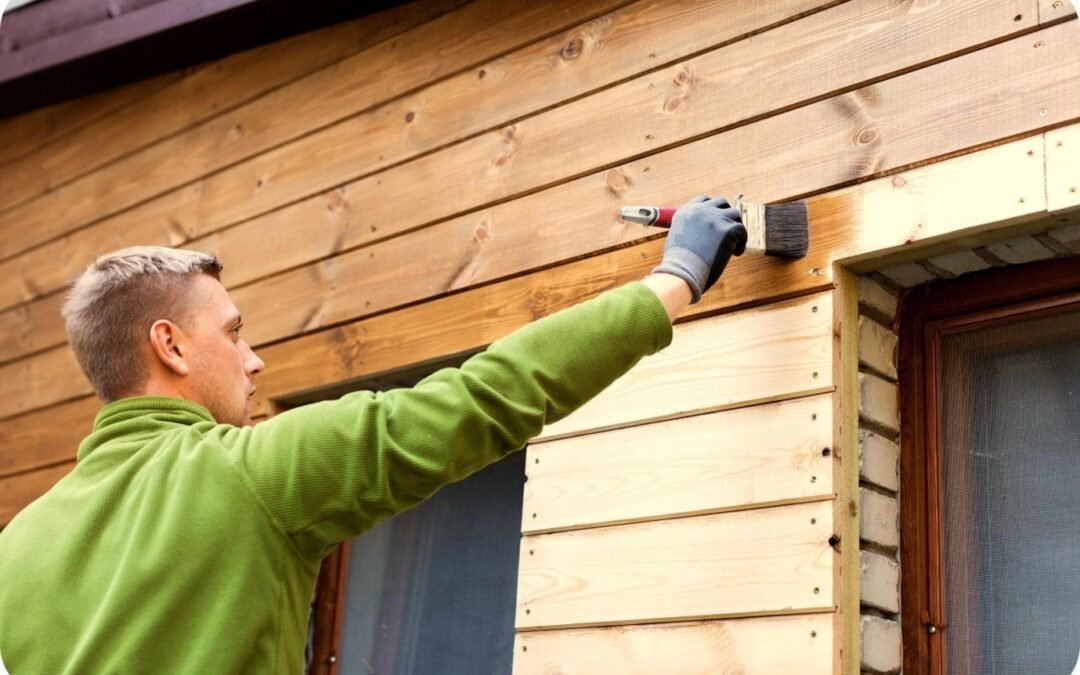
Gray, faded, or rough wood can make you think, “Should I replace all of this?” Not so fast. If the wood still feels strong, staining may bring it back without the cost and mess of a full replacement. An exterior staining contractor Westminster homeowners trust can check the wood and help you choose the right fix.
When Should You Stain Exterior Wood Instead of Replacing It?
Staining makes sense when the wood looks tired but still has good strength.
Sun, rain, snow, and changing temperatures can fade outdoor wood and leave it dry or rough. That does not always mean the wood has reached the end of its life. A fresh stain can improve its color while helping protect the surface from moisture and sunlight.
Staining may make sense when:
- The boards still feel firm.
- The wood has turned gray or faded.
- The old finish has worn away.
- You see small surface cracks.
- Screws and nails still hold well.
- You do not see large areas of rot.
The simple rule is this: stain when the main problem involves the surface. Replace when the wood itself has lost its strength.
Healthy Wood Can Still Look Old
Appearance can fool you.
Gray wood often looks worse than it really is. Sun exposure can change the color without destroying the wood. A contractor should still check questionable areas before recommending a new finish.
Pressing a screwdriver gently into a damaged spot can reveal soft wood. Healthy wood should resist pressure. If the tool sinks easily into the board, rot may have started.
Check these areas closely:
- Board ends
- Corners and joints
- Areas near the ground
- Spots around screws and nails
- Places that stay damp
- Areas with peeling or damaged finish
Do not cover soft wood with stain and hope for the best. Fix the underlying problem first.
When Does Wood Need Replacement Instead?
Stain can improve the look of wood, but it cannot make rotten wood strong again.
Replacement may make more sense when you find deep cracks, severe warping, broken boards, or widespread rot. Pay extra attention to decks, stairs, railings, and other areas that need to support weight.
You may need replacement when:
- Boards feel soft or spongy.
- Rot covers large areas.
- Important supports show serious damage.
- Boards break or split deeply.
- Railings or steps feel loose.
- Repairs would only provide a short-term fix.
You do not need to replace every board because one section has damage. A careful inspection can help you avoid spending money on wood that still works.
Repairs Can Make Staining a Better Option
Sometimes the smartest answer involves both repair and staining.
Imagine a fence with 80 boards. If only five boards have serious rot, replacing those five boards may make more sense than rebuilding the entire fence.
After the repairs, the contractor can clean and prepare the remaining wood before applying a new finish. This approach can improve the appearance of the whole surface without throwing away usable material.
Wood restoration services can help with this type of project by combining repairs, cleaning, sanding, and refinishing when the existing wood still has value.
Can Staining Save Money Compared With Replacement?
Staining can cost less when the existing wood remains usable.
Replacement involves more than the price of new boards. You may also pay for removal, disposal, new materials, installation, and finishing.
Staining usually focuses on preparing and improving the wood you already have.
Your project cost can change based on:
- Surface size
- Wood condition
- Amount of cleaning and sanding
- Repairs
- Stain type
- Surface access
- Number of coats
- Weather during the project
So, do not compare only the price of stain with the price of new lumber. Look at the full project cost.
Exterior Wood Finishing Depends on the Surface
Not every piece of exterior wood needs the same treatment.
Decks deal with foot traffic. Fences face weather from several directions. Siding and trim may receive different levels of sun and moisture. Doors also need a finish that fits how often people use them.
Common surfaces that may benefit from staining include:
- Decks
- Fences
- Patios
- Wood siding
- Exterior trim
- Doors
- Railings
- Pergolas
Good exterior wood finishing starts with the condition of the wood. The contractor should also consider the surface location, exposure, and look you want.
Why Does Proper Preparation Matter?
A stain cannot cover up poor preparation for long.
Dirt, loose finish, rough areas, and damaged boards can affect the final result. A professional should clean the surface, make needed repairs, and smooth rough areas before staining.
The wood also needs enough time to dry.
Skipping these steps can cause uneven color, poor coverage, and early wear. That is why preparation often takes more attention than the actual staining.
A good project should follow a basic order:
- Inspect the wood.
- Repair damaged areas.
- Clean the surface.
- Remove loose or failing finish.
- Sand rough areas when needed.
- Let the wood dry.
- Apply the proper stain.
When Should You Hire a Professional?
A small fence may look like a simple weekend project. A large deck, multi-level exterior, or whole-house wood project can become much harder.
Professional help makes sense when you have:
- A large surface to prepare.
- Hard-to-reach areas.
- Extensive old finish.
- Several types of wood.
- Rot or damaged boards.
- A need for consistent color.
- Limited time for detailed preparation.
If you are researching wood refinishing Boulder CO, look beyond the lowest quote. Ask how the contractor checks the wood, handles repairs, prepares surfaces, protects nearby areas, and applies the finish.
If you also want to refresh rooms inside your home, an interior painting company that handles related finishing work can make the overall project easier to manage.
Wrapping Up
You do not need to replace exterior wood simply because it looks old. If the wood still has good strength, cleaning, repairs, and staining may bring it back. If rot or serious damage has spread, replacement may offer the better choice.
If you need an exterior staining contractor Westminster homeowners can trust, Precision Painting and Finishing provides exterior staining and wood refinishing services. The company serves Westminster, Arvada, Boulder, and nearby Colorado communities. Our team brings more than two decades of painting-industry experience to residential and commercial projects.
Frequently Asked Questions
- Can exterior staining hide minor cracks and weathered wood?
Staining can improve weathered wood, but it cannot hide serious cracks, rot, or damage that needs repair. - Should I replace old wood before asking for a staining quote?
No. Let a contractor inspect the wood first and determine which boards need repair, replacement, or staining. - What happens if I stain wood that has hidden rot?
The stain may improve its appearance temporarily, but hidden rot can continue weakening the wood underneath. - Can a contractor match new replacement boards with older stained wood?
Yes. Proper preparation and stain selection can help new boards blend more closely with the existing wood. - Is professional exterior staining worth it for a large wood surface?
Yes. Professional prep, repairs, application, and surface protection can produce a more even and lasting finish.