
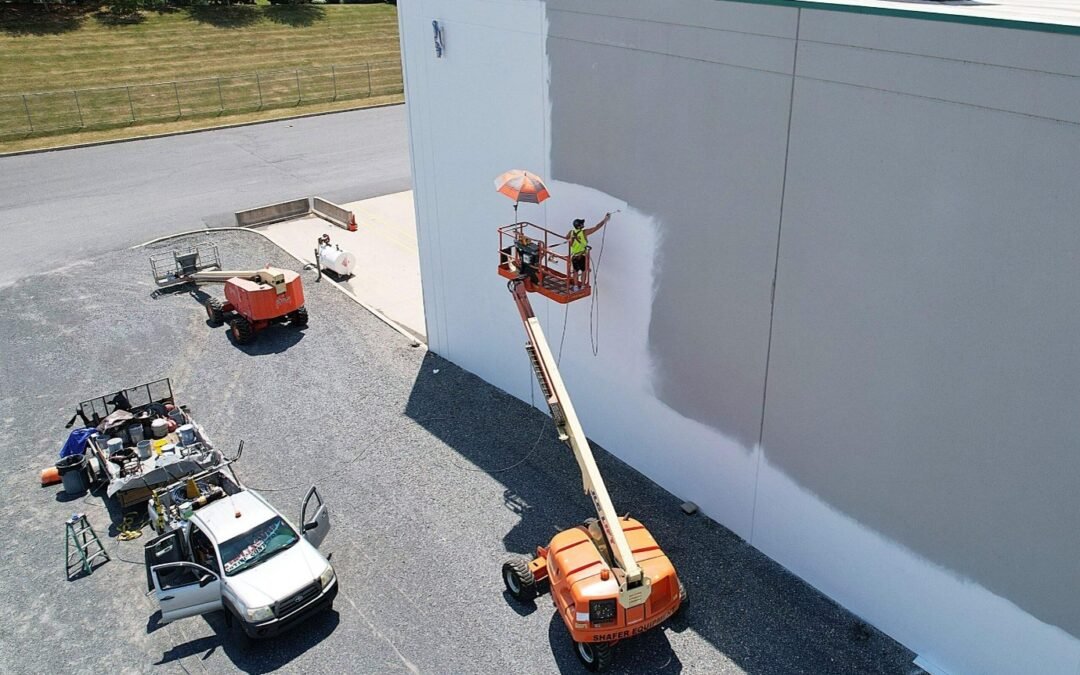
Painting a large commercial property takes more than a crew with brushes, rollers, and ladders. The right team must plan the work, protect the building, manage different surfaces, and work around daily business activity. So, when comparing office building painters Westminster CO, focus on how well a company can manage the entire project.
What Makes A Commercial Painting Company A Good Fit?
Start with the type of properties the company knows how to paint.
A contractor may have years of painting experience but still lack experience with large commercial spaces. That difference matters.
An office building can have several floors, long hallways, shared areas, private offices, stairwells, restrooms, and large exterior walls. An apartment property can add tenants, common areas, parking areas, and strict access needs.
So, look for a contractor that has worked on properties with similar challenges.
Ask about:
- The size of past commercial projects
- The types of buildings they have painted
- How they handled occupied properties
- Who managed those projects
- How the crew protected furniture and equipment
- How they handled unexpected surface problems
This gives you a much clearer picture than simply asking how long the company has been in business.
Why Does Large-Property Experience Matter?
Large properties create problems that you may not face in a small painting job.
A crew may need to move through several areas without blocking entrances or disrupting employees. The team may also need to coordinate with tenants, property managers, building staff, and other contractors.
For example, an office building may need painting while employees continue working inside.
The crew cannot simply shut down the entire floor.
Instead, the contractor may divide the project into sections. One area gets prepared and painted while another remains open. Once the first area is ready, the team moves on.
That simple plan can help keep the building usable while work continues.
A Detailed Project Plan Keeps Large Jobs Under Control
Large painting projects need a clear plan before anyone opens a paint can.
The contractor should know what areas need work, what surfaces need repairs, how the crew will move through the property, and how the team will handle occupied spaces.
A good plan can cover:
- Work areas and project phases
- Expected start and finish dates
- Access points
- Furniture and equipment protection
- Daily cleanup
- Tenant or employee coordination
- Exterior work and weather concerns
- Final inspections and touch-ups
The contractor may find damaged drywall behind a wall fixture. An old coating may need extra preparation. A tenant may need access to an area sooner than expected.
A solid plan gives the team room to handle these issues without losing control of the whole project.
How Should A Contractor Handle An Occupied Property?
This question deserves special attention if people will remain inside the building during painting.
A commercial painting crew needs to think about more than the walls.
Employees still need to work. Tenants still need access to their spaces. Customers may still enter the property. Deliveries may still arrive.
That is where experienced commercial property painters can make a practical difference. They should know how to divide the work, protect active areas, and adjust the schedule around the building’s daily use.
For example, the team may paint one hallway at a time instead of closing every hallway at once. Painters may also schedule noisy or disruptive work outside busy hours.
The right approach depends on the building.
A good contractor should not force the same schedule on every property. The plan should fit how your building actually operates.
Surface Preparation Shapes The Final Result
Paint cannot hide every problem underneath it.
Commercial walls often collect years of marks, dents, stains, old patches, and small areas of damage. Exterior surfaces can also show peeling paint, dirt, weather wear, or other problems.
That is why preparation deserves a close look when you compare contractors.
Depending on the surface, preparation may include:
- Cleaning
- Patching holes
- Repairing damaged areas
- Sanding rough spots
- Removing loose paint
- Matching existing textures
- Applying primer where needed
The goal is simple: give the new paint a clean and suitable surface. If a contractor spends little time discussing preparation, ask why. A professional finish starts long before the first coat goes on.
What Should You Check In Past Commercial Projects?
Do not settle for a few attractive project photos. Look for work that resembles your property.
If you manage a large office building, photos of small bedrooms do not tell you much about the company’s ability to manage a large commercial project.
Instead, look for examples of offices, apartment buildings, restaurants, multi-tenant properties, large exteriors, or other projects with similar demands.
Reviews can help too. But read them for details. Look for comments about:
- Showing up when promised
- Keeping work areas clean
- Protecting the property
- Communicating changes
- Handling unexpected problems
- Finishing the work properly
A photo tells you what the finished wall looks like. A good review can tell you what it was like to work with the contractor.
Commercial Paint Choices Should Match The Property
You do not need to know every type of commercial paint.
But you should know why the contractor recommends a certain product for each area.
A busy hallway deals with regular traffic and cleaning. An exterior wall deals with changing weather. Doors, trim, and other high-touch areas may face different wear than a quiet office wall.
So, one product may not make sense for every surface. If you are comparing a commercial building painting company Boulder, ask a simple question:
“Why is this product right for this surface?”
A good contractor should explain the answer in plain language.
The same applies to primer, coatings, and the number of coats. You should understand what the contractor plans to do and why.
A Clear Proposal Makes Contractor Comparison Easier
The affordable quote is not always the best deal. The problem often starts when two proposals cover different amounts of work.
One contractor may include wall repairs, detailed preparation, primer, multiple coats, cleanup, and touch-ups. Another may offer a lower price because some of those tasks sit outside the quote.
That makes the numbers look better than they really are. Before comparing prices, check the full scope. Your proposal should make it clear:
- What the crew will paint
- What preparation the price includes
- What products the contractor will use
- How many coats the team plans to apply
- What cleanup includes
- How the crew will handle added work
- What warranty the company provides
Then compare the total value. A slightly higher bid may make more sense if it covers the work your property actually needs.
How Important Is Communication During A Large Project?
It is one of the easiest things to overlook. You may have a property manager, building owner, office manager, or facility team handling the project. They should not have to chase the painting contractor for basic updates.
Before work starts, ask who your main contact will be. Also ask how the company handles changes. Suppose painters find damaged drywall behind an old sign. The contractor should explain the issue before adding repair work to the project.
Or suppose one floor takes longer than expected. You should hear about the delay early, not after it affects the rest of the schedule. Clear communication gives you time to make decisions instead of forcing you to react at the last minute.
The Right Time To Paint Depends On Your Property
You do not have to wait until the building looks worn out. Commercial painting can fit into several types of property plans. You may need painting when:
- A building has faded or peeling exterior paint
- Common areas look tired
- New tenants are moving in
- A business is changing its colors
- An older property needs a fresh look
- Office walls show heavy marks
- A property is preparing for sale or leasing
- A renovation needs a clean final finish
For an office, office interior painting can change the feel of the space without the disruption of a full remodel.
Concluding Thoughts
A large commercial painting project is not just about changing wall color. It involves planning, preparation, surface repair, scheduling, property protection, and communication. If you are comparing office building painters Westminster, CO, look beyond the lowest bid. Compare each contractor’s commercial experience, project plan, preparation work, materials, schedule, and communication.
Precision Painting and Finishing brings more than two decades of painting industry experience to residential and commercial projects. The company handles commercial painting, staining, drywall repair, and other finishing work. Our team serves Westminster, Arvada, Boulder, and nearby Colorado communities. For a large property, that experience can help you manage the project from the first plan to the final coat.
Frequently Asked Questions
- What Should I Look For In A Commercial Painting Company?
Choose a contractor with large-property experience, clear proposals, strong preparation practices, reliable communication, and suitable warranties.
- What Questions Should I Ask A Commercial Painting Contractor?
Ask about similar projects, crew size, scheduling, surface preparation, property protection, insurance, warranties, and unexpected issues.
- Why Is A Detailed Commercial Painting Proposal Important?
A detailed proposal helps you compare preparation, materials, coats, repairs, cleanup, scheduling, and warranty coverage instead of price alone.
- Can Commercial Painters Work While A Building Remains Occupied?
Experienced contractors can divide work into sections, protect active areas, schedule disruptive tasks carefully, and coordinate with building occupants.
- When Is The Best Time To Paint A Commercial Property?
Commercial painting often makes sense before leasing, after renovations, during rebranding, or when walls and exterior surfaces show visible wear.