
Texturing Erie With Careful Wall Preparation and Seamless Texture Matching
A repaired wall does not always disappear once paint is applied. If the patched area is smoother, heavier, or patterned differently from the surrounding surface, light can expose the difference. You may notice a faint outline around a repair, a flat-looking spot in a textured wall, or a section that appears rougher than everything around it.
Texturing Erie services from Precision Painting and Finishing are designed to address those details before they become more noticeable under a fresh coat of paint. The work is not about spraying or applying texture over every damaged spot. It starts with understanding the existing wall and determining how the repaired area needs to be finished so it works with the surrounding surface.
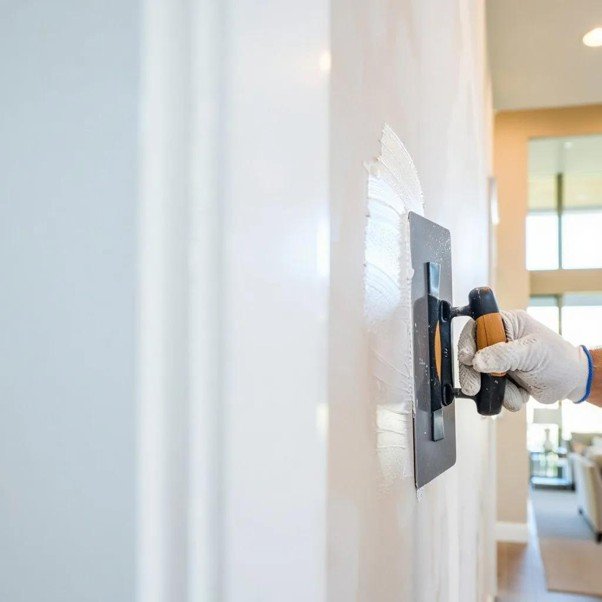
Wall Preparation Sets the Stage for Texture Work
Texture cannot compensate for a poorly repaired wall. Before new material is applied, the damaged section may need to be patched, sanded, feathered, or otherwise prepared so there is not an obvious transition between the repair and the original surface.
The right preparation depends on the condition of the wall. A few nail holes are different from a section of damaged drywall. A removed fixture can leave several filled holes and uneven areas. Water-related damage may create a larger repair that requires more attention before the surface is ready for texture.
Precision Painting and Finishing can address these underlying issues as part of the finishing process. That helps avoid the common mistake of treating texture as a quick cover-up for an unfinished repair.
How Does Texture Matching Affect the Final Appearance?
Texture matching matters because walls do not always have a perfectly uniform surface. Older repairs, different application techniques, repainting, and years of wear can all affect how a wall looks. Even the same texture can appear different when viewed from another angle or under stronger light.
A new repair therefore needs to be considered in relation to the existing wall. The objective is to recreate the general pattern, density, and appearance around the damaged area rather than leaving a noticeably different patch in the middle of the surface.
This is especially useful before interior painting. Once the wall is painted, differences in texture can become more apparent instead of disappearing.
What Should a Properly Finished Wall Look Like?
The goal is not to make the repaired section look newer than the rest of the wall. It should fit into the existing surface without becoming the first thing you notice.
The final appearance can vary depending on the original texture, the extent of drywall damage, previous repairs, wall condition, and lighting. That is why the surface should be evaluated before work begins. A small repair may require a different approach from a larger damaged section, and not every textured wall can be treated with the same technique.
For homeowners, landlords, and commercial property owners, that assessment can help determine whether the project calls for drywall repair, texture matching, painting, or several of these services together.
Why Experienced Preparation Makes a Difference
Precision Painting and Finishing brings more than two decades of painting industry experience to its work, with lead painters described as having at least 15 years of experience. The company also uses Benjamin Moore materials for its painting projects.
Those details matter because textured-wall repair is not simply about getting material onto the surface. The condition of the existing wall, the quality of the repair, the texture application, and the final paint job all affect how the finished area looks.
A rushed repair may leave visible edges or an inconsistent pattern. Taking the time to prepare the surface gives the texture and paint a better foundation.
Texture Repair Can Support More Than Residential Updates
Textured-wall work can make sense in several types of properties. A homeowner may need it after removing shelving, repairing drywall, replacing fixtures, or correcting damage from everyday use. A room that has been repainted several times may also have areas where previous repairs are easier to see.
Rental properties bring another set of concerns. Walls can take repeated wear between tenants, particularly around doorways, hallways, corners, and other high-use areas. Property managers may need repairs that look consistent with the existing finish before a unit is shown to a new occupant.
Commercial spaces can have similar needs. Instead of leaving isolated patches across an office or other occupied property, repairing and matching the affected areas can help maintain a more consistent appearance.
For Erie-area properties, having drywall repair, texture work, and painting handled within the same finishing process can also reduce the need to coordinate separate contractors.
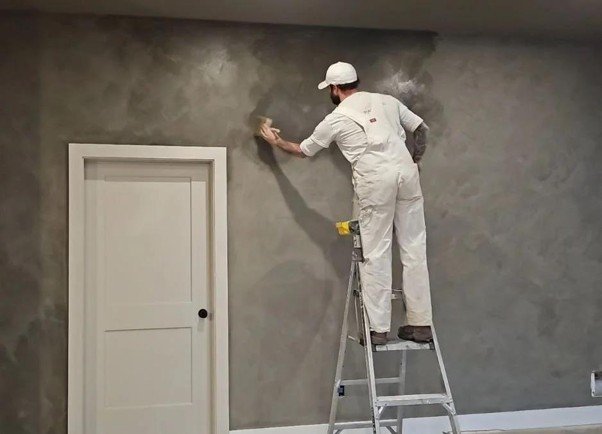
Give That Wall More Than a Quick Patch
If a damaged or mismatched section is making an otherwise finished room look unfinished, Precision Painting and Finishing can help you address the surface from repair through final painting. Contact the team to discuss your Erie-area project and determine the right approach for restoring the wall's texture and overall appearance.
Frequently Asked Questions
Can textured walls be repaired without repainting the entire room?
Small repairs may only require localized texture work and paint blending, depending on the existing wall condition and color.
Why does a drywall patch sometimes remain visible after painting?
Differences in texture, surface preparation, paint absorption, and lighting can make repaired areas stand out after painting.
Can existing wall texture be matched after drywall repairs?
Yes, texture can often be matched closely by examining the surrounding pattern, density, application, and surface condition.
What types of properties can benefit from texture repair?
Homeowners, rental properties, apartments, offices, and commercial buildings can all benefit from properly repaired and matched textured walls.
Should texture matching be completed before interior painting?
Yes, texture matching should generally be completed before painting so the repaired surface can blend with the surrounding wall.