
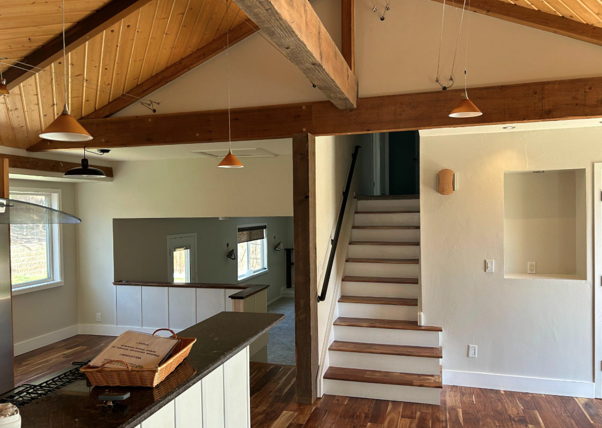
Your walls do more than cover your rooms. They help create the feeling of your home. Over time, daily life leaves its mark through scratches, stains, fading colors, and outdated designs. A professional interior painting service helps homeowners refresh their spaces while fixing the small issues that affect the final look. Instead of dealing with messy preparation and uneven results, homeowners can rely on skilled painters who understand the right steps from start to finish.
A good painting project is not just about adding paint. It involves surface checks, careful preparation, proper tools, and attention to small details that make a big difference.
A Fresh Interior Can Change How Your Home Feels
Interior painting is one of the easiest ways to update your home without making major changes. A new color can make a room feel brighter, calmer, larger, or more welcoming.
Over the years, walls naturally collect signs of everyday life. Children, pets, furniture movement, cooking, and regular use can leave marks behind. Even a well-maintained home can start looking tired after some time.
Homeowners often choose interior painting when they want to:
- Refresh outdated rooms
- Cover stains, scratches, or faded areas
- Prepare a home before selling
- Update a recently purchased property
- Create a style that matches their personality
A thoughtful paint update can change the mood of a room without the cost and disruption of a full renovation.
Great Paint Results Start Before the First Brushstroke
Many people think painting begins when the first coat goes on. However, the most important work often happens before the paint touches the wall.
Professional painters first inspect the surfaces to find problems that may affect the final result. Small cracks, uneven patches, old paint layers, and stains can show through if the surface is not ready.
A proper preparation process may include:
- Cleaning dirt and dust from walls
- Repairing holes and small cracks
- Sanding rough areas
- Removing loose or damaged paint
- Applying primer when needed
- Protecting floors and furniture
This step helps create a smoother finish and prevents common problems like peeling, uneven coverage, and visible imperfections.
Experienced painters know that good preparation saves problems later. They focus on building the right foundation before applying color.
Which Rooms Benefit Most From Professional Interior Painting?
Every room has different needs. The right paint choice depends on how the space is used, how much traffic it receives, and the look you want to create.
- Living Rooms: Living rooms are often where families relax, and guests gather. A new paint color can make this space feel more open, comfortable, or modern. Neutral shades can create a clean appearance, while deeper colors can add warmth and personality.
- Bedrooms: Bedrooms should feel peaceful and comfortable. Soft colors often work well because they create a relaxing environment after a long day.
- Kitchens: Kitchen walls deal with cooking stains, heat, and frequent cleaning. Choosing the right paint finish helps the space stay fresh and easier to maintain.
- Bathrooms: Bathrooms need paint that can handle moisture and regular use. The right products help maintain a clean appearance over time.
- Ceilings, Doors, and Trim: Small details can have a big impact. Fresh paint on trim, doors, and ceilings can make the entire room feel more complete.
How Can You Choose the Right Paint Colors for Your Interior?
Choosing a paint color can be exciting, but it can also feel overwhelming. With endless shades available, homeowners often struggle to decide what will actually look good inside their homes.
The right color depends on more than personal taste. You also need to consider room size, natural light, furniture, flooring, and the overall style of your home.
For example, a small room with limited sunlight may feel more open with lighter shades. A large living area may look warmer with deeper tones.
Here are a few simple tips to help:
- Use light colors to make smaller spaces feel bigger
- Choose warm shades for a comfortable and inviting look
- Pick neutral colors for a timeless style
- Test paint samples before making a final decision
Lighting can also change how paint looks throughout the day. A color that looks perfect in the morning may appear different at night.
Professional painters can help homeowners understand how different colors and finishes will work in their actual space instead of relying only on small paint samples.
The Cost of Interior Painting Depends on More Than Room Size
One of the biggest questions homeowners have is, “How much will interior painting cost?” The answer depends on several parts of the project.
A painter usually considers the size of the area, wall condition, paint type, and amount of preparation needed before creating an estimate.
Common factors that affect pricing include:
- Number of rooms being painted
- Wall and ceiling size
- Current wall condition
- Repairs needed before painting
- Paint quality and finish
- Trim, doors, and molding details
For example, painting a room with clean walls may take less work than repainting a space with cracks, stains, or old dark colors.
Homeowners should also be careful when choosing the lowest price. A cheaper quote may leave out important steps like repairs or proper preparation.
A reliable painting company explains the work clearly, so homeowners understand the cost and what they will receive.
Should You Paint Your Home Yourself or Hire Professionals?
DIY painting may seem like a good way to save money. However, many homeowners discover that painting takes more time, patience, and skill than they expected.
Painting an entire room requires more than rolling paint onto walls. You need to prepare surfaces, protect your belongings, create clean edges, and apply coats evenly.
Here is how both options compare:
DIY Painting
- May reduce upfront costs
- Requires your personal time
- Can be difficult for large projects
- May create uneven finishes without experience
Professional Painting
- Saves time and effort
- Includes proper preparation
- Provides cleaner edges and finishes
- Handles difficult areas like ceilings and trim
If you search for interior painters near me, focus on companies that show attention to detail. A good painter does not only apply paint quickly. They understand preparation, materials, and the small steps that improve the final result.
How Long Does an Interior Painting Project Usually Take?
The timeline depends on the size of the project and the condition of your walls. A single bedroom may need only a few days, while painting an entire home can take longer.
A professional painting process usually follows these steps:
- Inspecting the space and planning the work
- Preparing walls and protecting nearby areas
- Repairing small surface problems
- Applying paint coats carefully
- Checking details and completing touch-ups
- Cleaning the area after completion
Good communication helps the project run smoothly. A professional team explains what to expect and keeps homeowners updated throughout the process.
Interior painting does not depend heavily on weather, but proper drying time and ventilation still matter. Taking time between coats helps create a stronger finish.
Concluding Thoughts
Interior painting is a simple way to refresh your home, improve comfort, and give your rooms a new personality. However, the best results come from more than choosing a beautiful color. Proper preparation, skilled application, and attention to detail all help create a finish that homeowners can enjoy. A professional interior painting service makes the process easier by handling the planning, preparation, and painting work with care.
Precision Painting and Finishing helps homeowners create beautiful interiors through careful preparation and detailed painting work. The company focuses on clean finishes, reliable service, and solutions designed around each homeowner’s needs. From small room updates to complete interior transformations, we deliver quality results with a focus on craftsmanship. Our team works closely with homeowners to make every painting project smooth, organized, and stress-free.
Frequently Asked Questions
- How long does interior painting usually last?
A professional interior paint job can last 5–10 years with proper preparation, quality materials, and regular home care.
- Why is wall preparation important before painting?
Wall preparation removes surface issues like cracks and stains, helping paint stick better and creating a smoother final appearance.
- What type of paint finish works best indoors?
The ideal paint finish depends on room use, with satin and eggshell often preferred for durability and easy cleaning.
- Can professional painters help choose interior colors?
Yes, professional painters consider lighting, room size, furniture, and style to recommend colors that fit your home.
- Is hiring an interior painter better than DIY?
Hiring professionals provides cleaner finishes, saves time, and reduces mistakes caused by improper tools, preparation, or painting techniques.